Building Camera Confidence
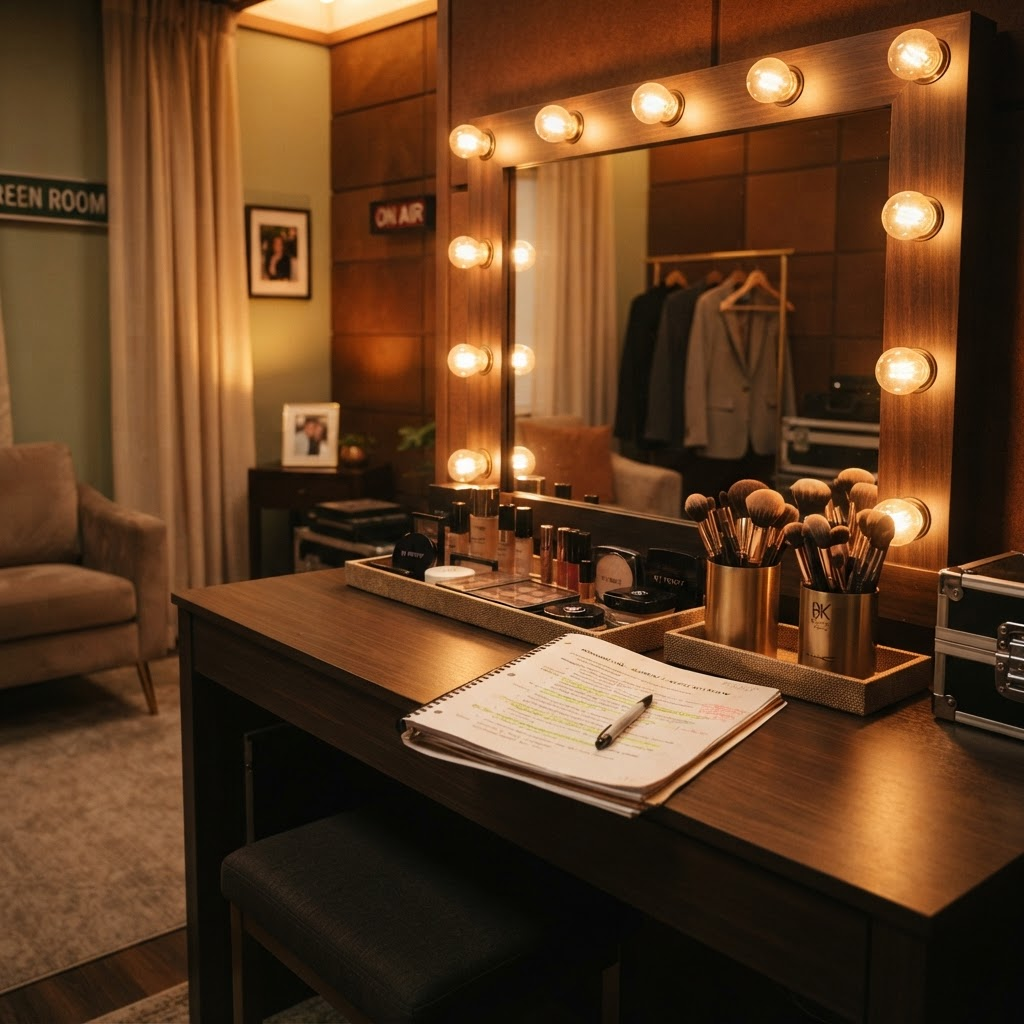
Confidence on camera is one of the most misunderstood skills in this profession. From the outside it looks like a personality trait — either you have it or you do not. In reality, it is a craft. The presenters who look effortless on screen are almost always the ones who have done the most preparation off it. What reads as natural confidence is usually just deep familiarity with the material and hundreds of repetitions.
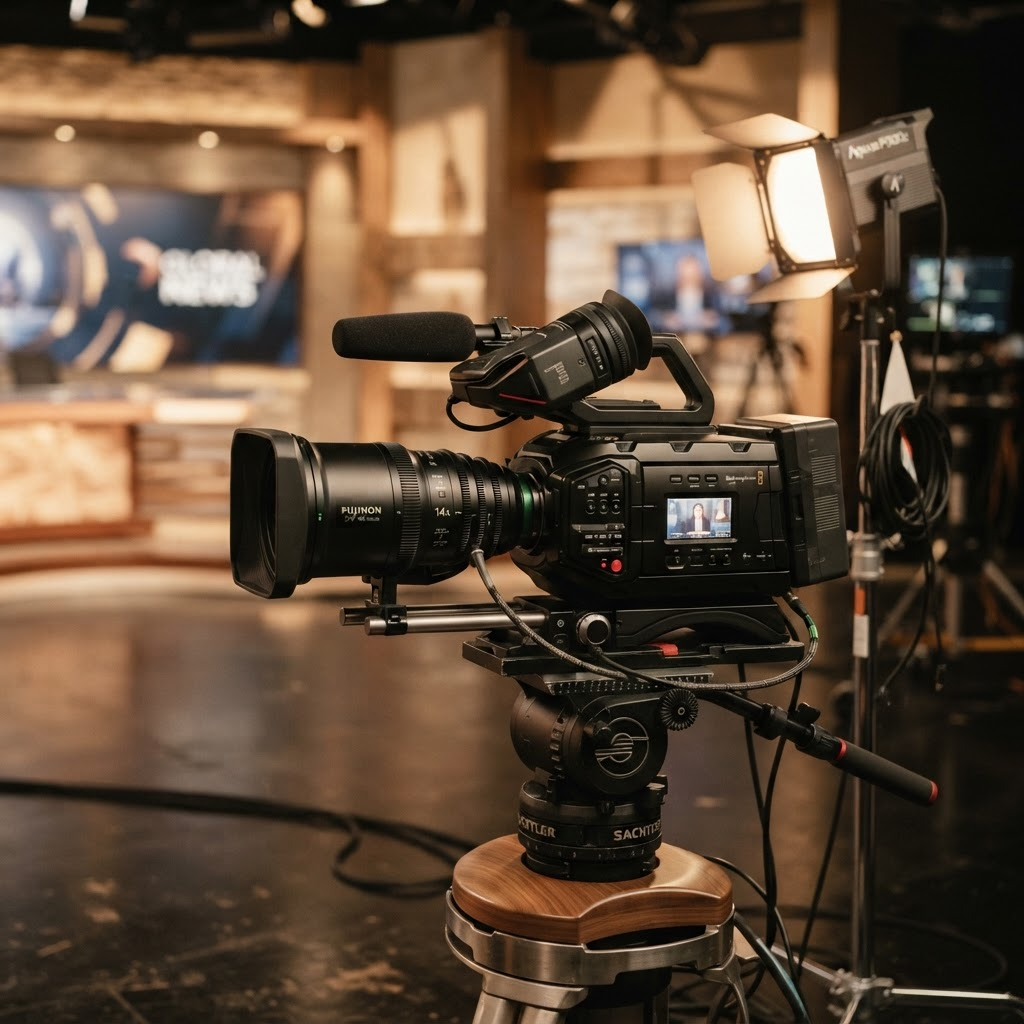
When I first started, the camera felt like a wall. You are speaking to a lens, not a face, and there is no immediate response to tell you whether you are connecting. The shift happened when I stopped thinking of the camera as a machine and started thinking of it as one person — a single viewer at home who deserves my full attention. Speaking to one person rather than a faceless audience changes your tone completely. It becomes warmer, more direct, and far more believable.
Breathing is the foundation of everything. When nerves rise, the breath becomes shallow, the voice tightens, and the pace speeds up without you noticing. Before I go on air, I slow my breathing down deliberately. A grounded breath gives you a grounded voice, and a grounded voice buys you time to think. Almost every on-camera mistake I have seen — rushing, stumbling, filling silence with noise — traces back to breath and pace rather than a lack of knowledge.
Pacing deserves special attention. New presenters almost always speak too fast, because silence feels uncomfortable when the camera is rolling. But a well-placed pause is not empty space — it is emphasis. It tells the viewer that what you just said, or what you are about to say, matters. Learning to be comfortable with those small silences is one of the clearest markers of a presenter who has matured in the role.
Eye contact and stillness matter just as much as the words. Restless hands, wandering eyes, and unnecessary movement all quietly undermine your credibility. Stillness communicates control. That does not mean being stiff — it means every movement is intentional rather than nervous. The audience may not consciously notice your composure, but they feel it, and it shapes whether they trust you.
The final piece is accepting that you will not be perfect, and that perfection is not the goal. Live television is unforgiving; something will eventually go wrong. Real confidence is not the absence of mistakes — it is knowing that when one happens, you can recover gracefully and keep going without breaking your connection with the viewer. Once you internalize that, the camera stops being something to fear and becomes simply the space where you do your work.