Life in Broadcast Journalism

People often imagine broadcast journalism as the few minutes they see on screen — the lights, the desk, the confident voice reading the day's headlines. What they rarely see is everything that happens before that moment: the hours of reading, verifying, rewriting, and preparing that make those few minutes possible. The bulletin is the tip of the iceberg. The real work lives underneath it.
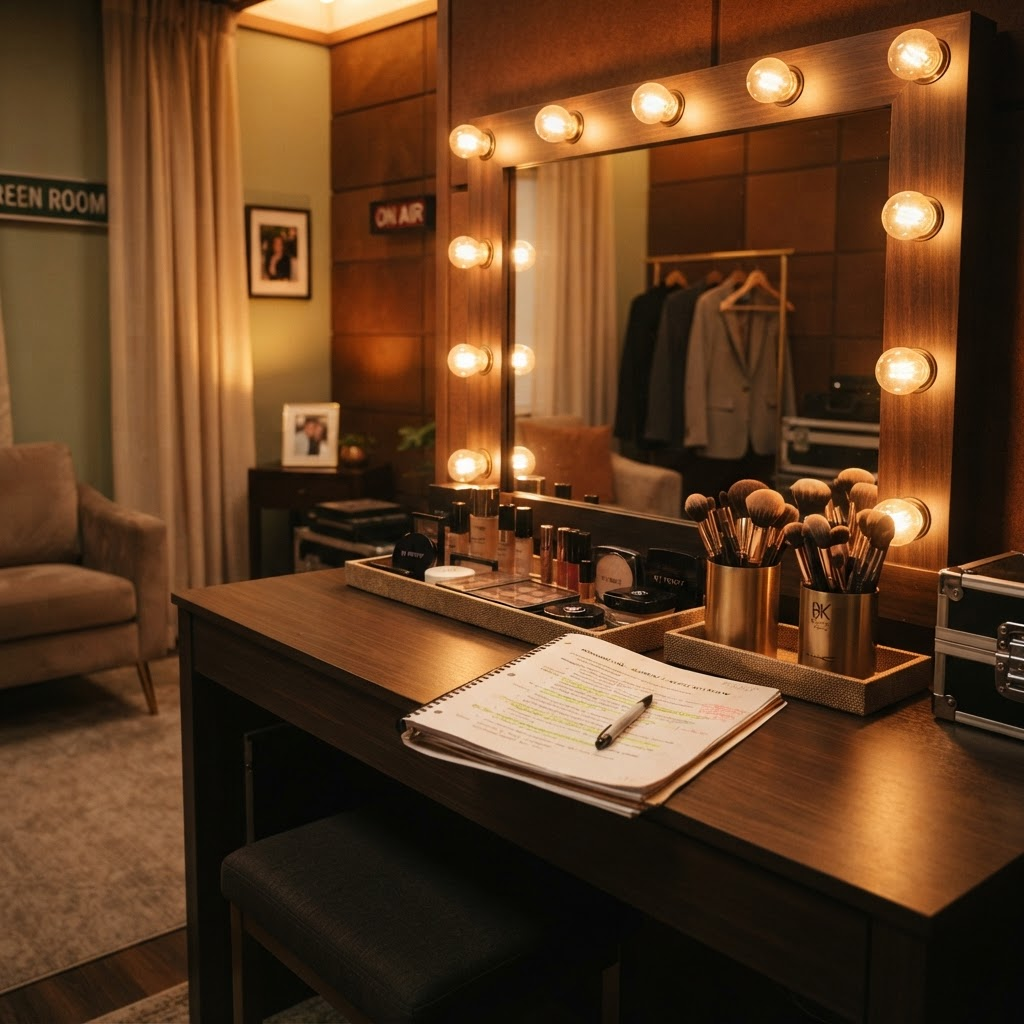
My day usually begins long before I sit in front of a camera. It starts with the news itself — scanning wires, agency feeds, official statements, and the stories developing across the city and the country. In a newsroom, information arrives faster than anyone can process it, and part of the discipline is learning to move quickly without becoming careless. Speed matters, but accuracy matters more. A headline that is fast and wrong does far more damage than one that is careful and a few minutes late.
The most important lesson the newsroom teaches you is respect for the audience. When someone turns on the news, they are trusting you with their attention and, in a sense, with their understanding of the world that day. That trust is not something you earn once; you earn it in every bulletin, every correction, every time you resist the temptation to sensationalize a story for the sake of a stronger reaction. Credibility is slow to build and quick to lose, and a journalist who forgets that does not last long.
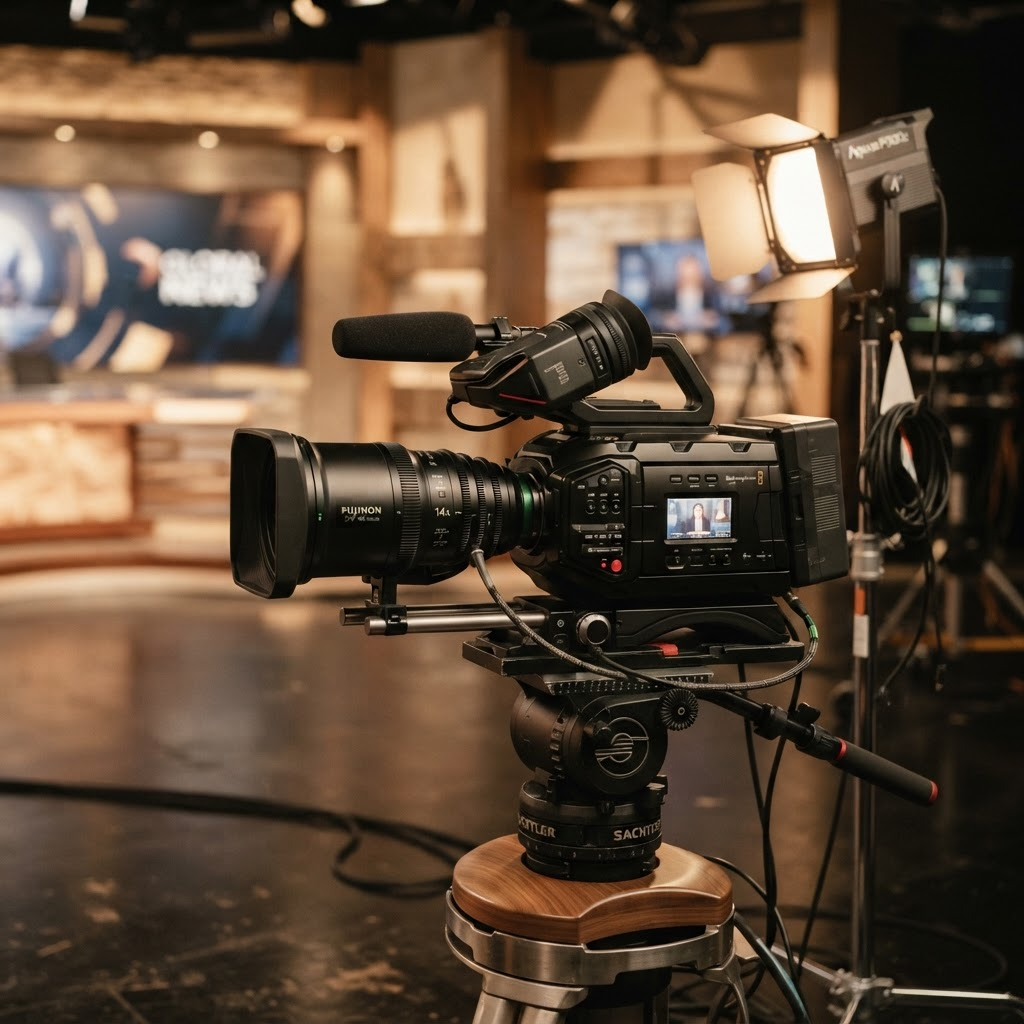
Live television also demands a particular kind of composure. Scripts change seconds before you go on air. A guest cancels, a live feed drops, breaking news interrupts a planned segment. You learn to stay calm in your voice even when things are moving fast in your ear, because the viewer at home should never feel the chaos behind the camera. That steadiness is not something you are born with — it is built, shift after shift, until it becomes second nature.
There is also a quieter responsibility that comes with this work, especially as a woman in Pakistani broadcast media. You are not only reporting the news; you are, for many young viewers, an example of what is possible — that you can be composed and credible, professional and personable, all at once. I take that seriously. I want the women watching to see that a newsroom is a place where they belong.
Broadcast journalism is demanding, and it does not slow down for anyone. But it is also one of the most meaningful ways I can imagine spending a career: being present for the moments that matter, translating complexity into clarity, and giving people the information they need to make sense of their world. The pace never really eases — and honestly, I have come to love it that way.